
Backcountry · Level 3
Ski Mountaineering Skills
There is a tier of terrain that most backcountry skiers never reach. This clinic is how you get there.
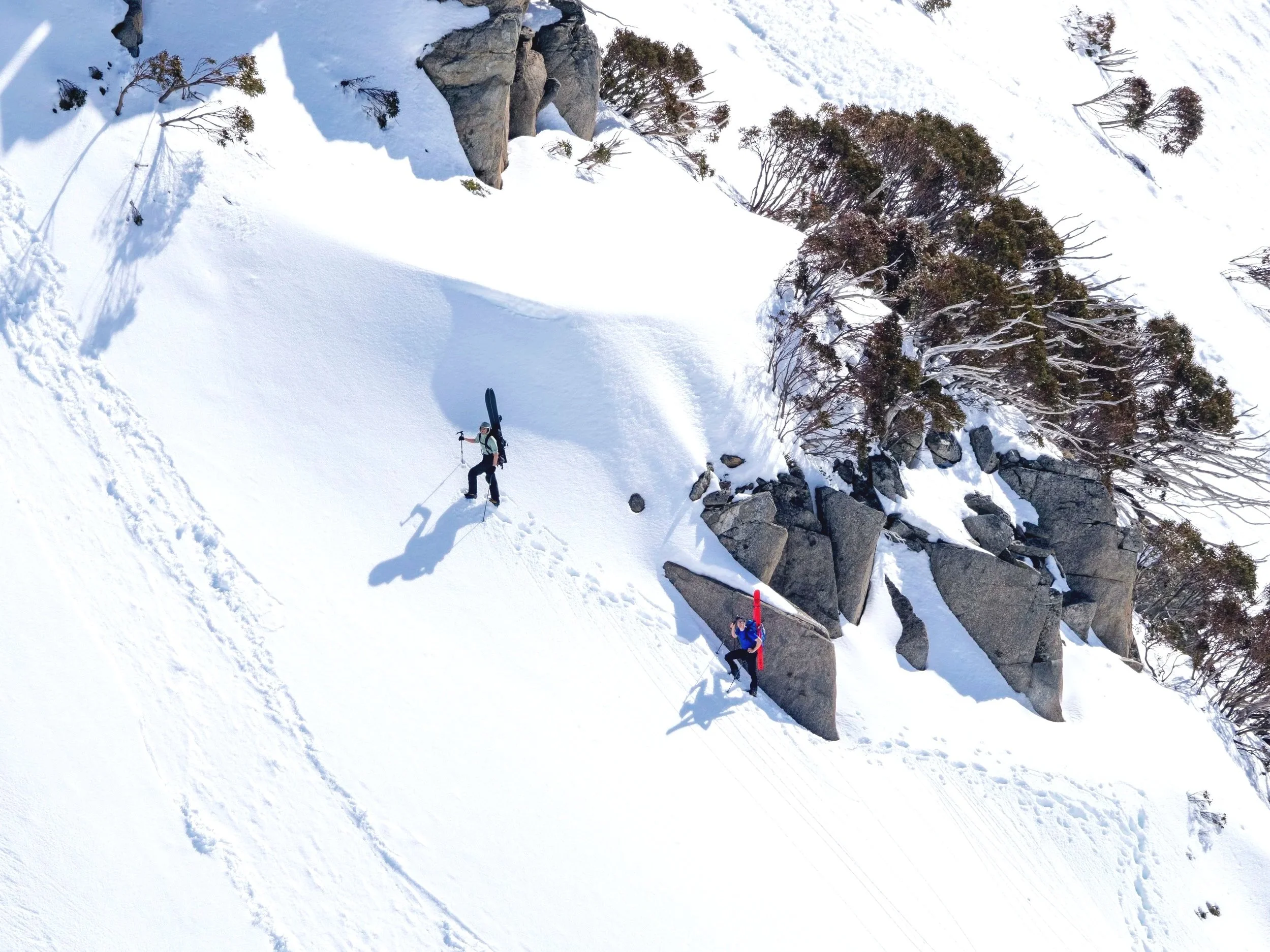
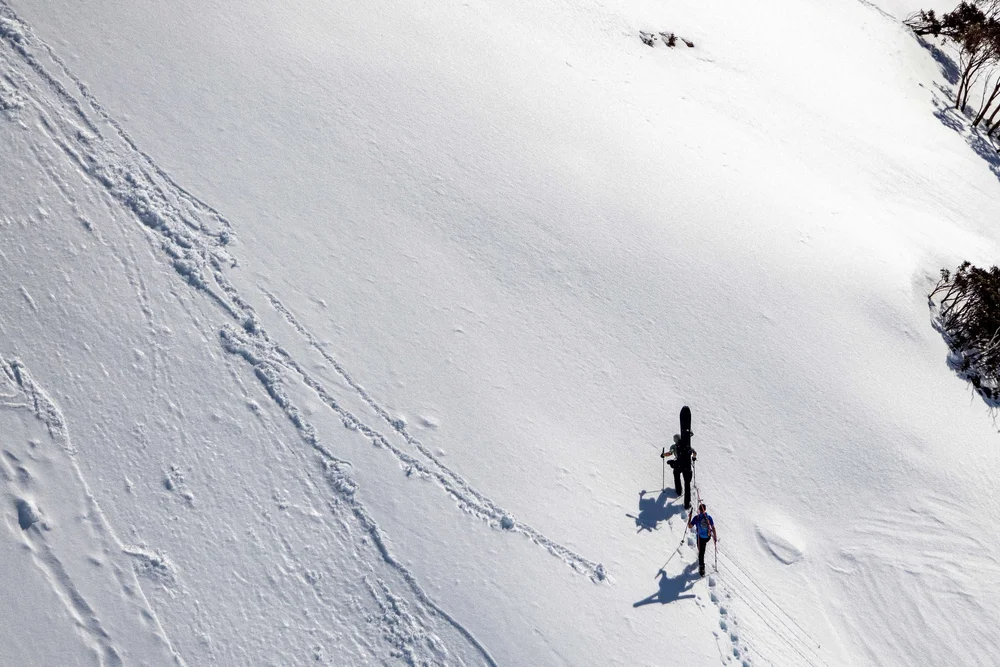
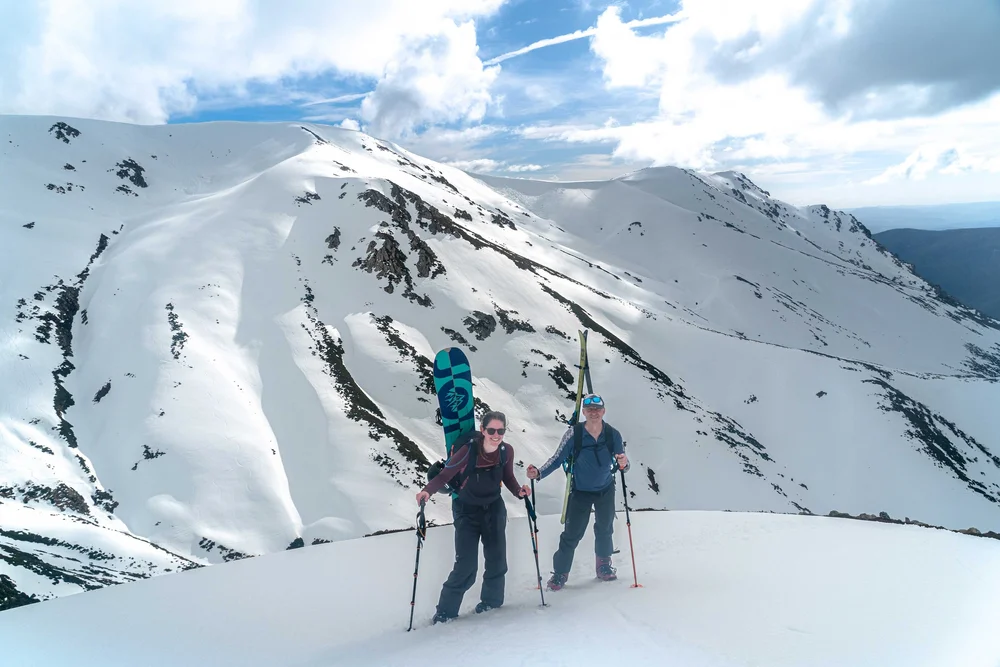
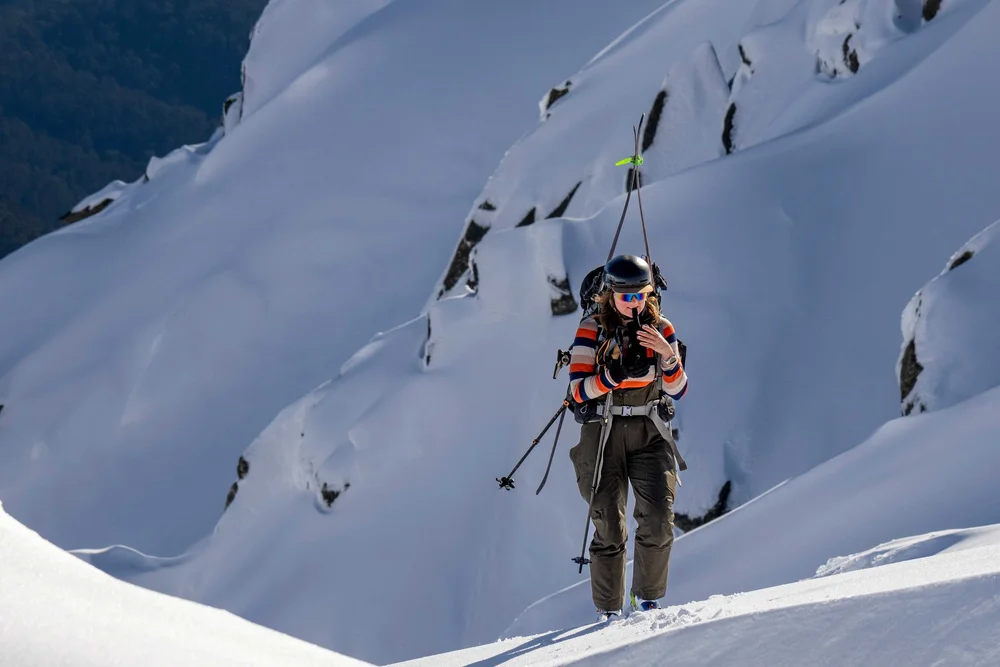
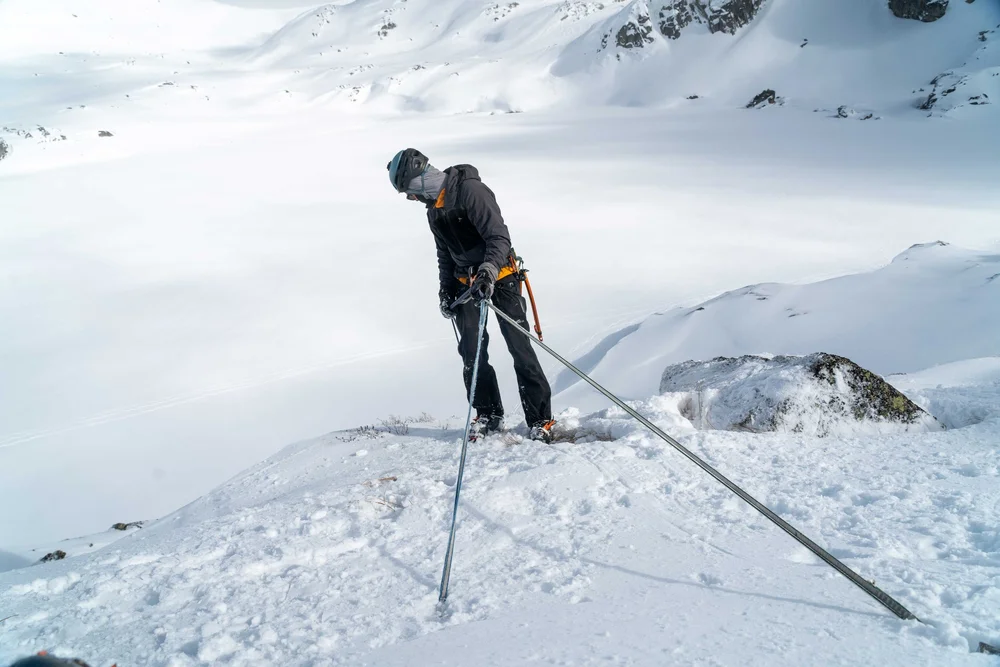
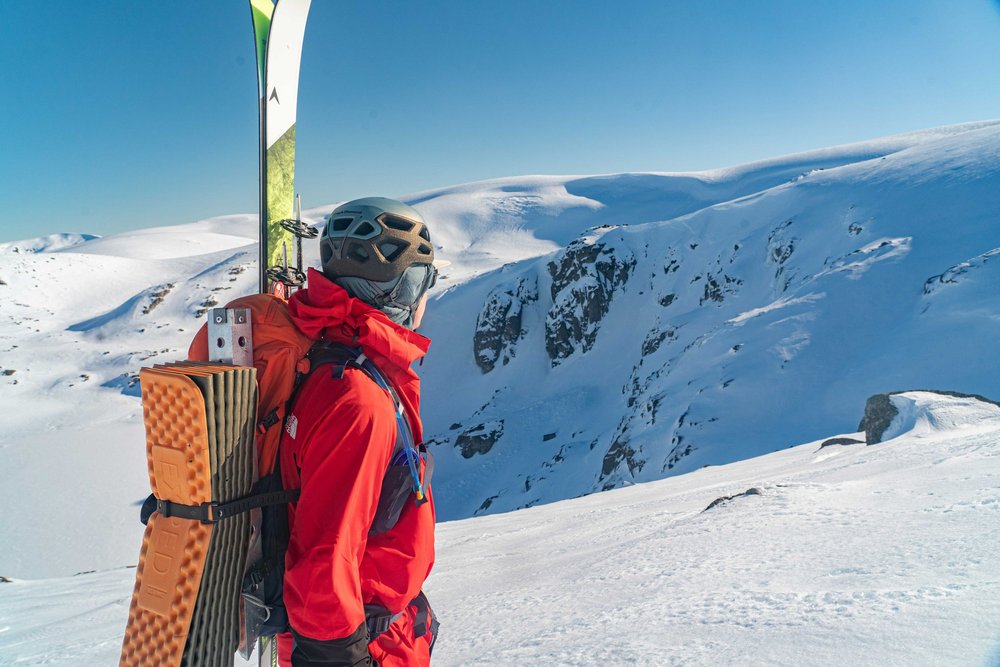
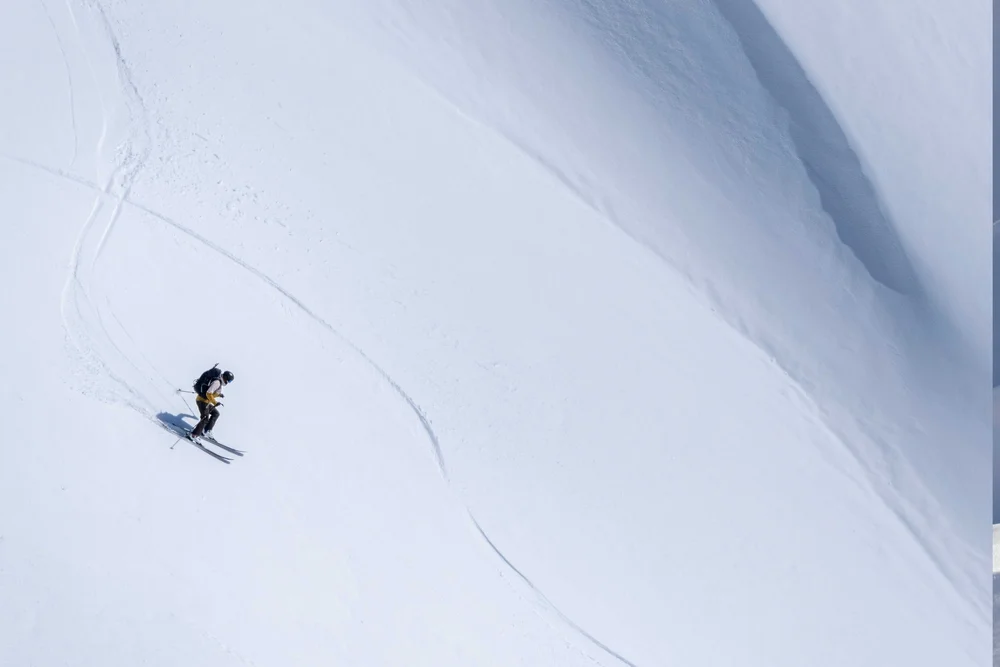
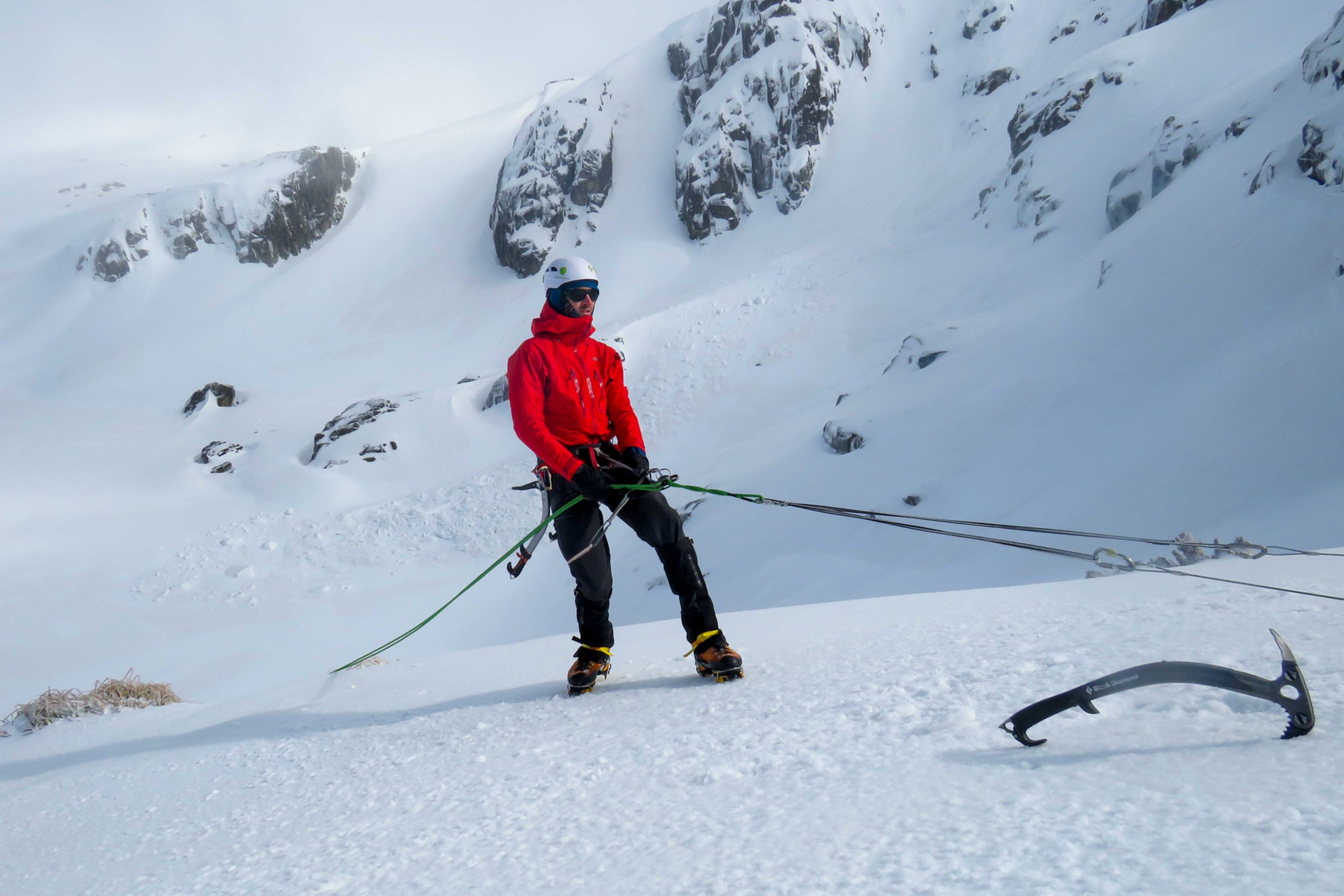
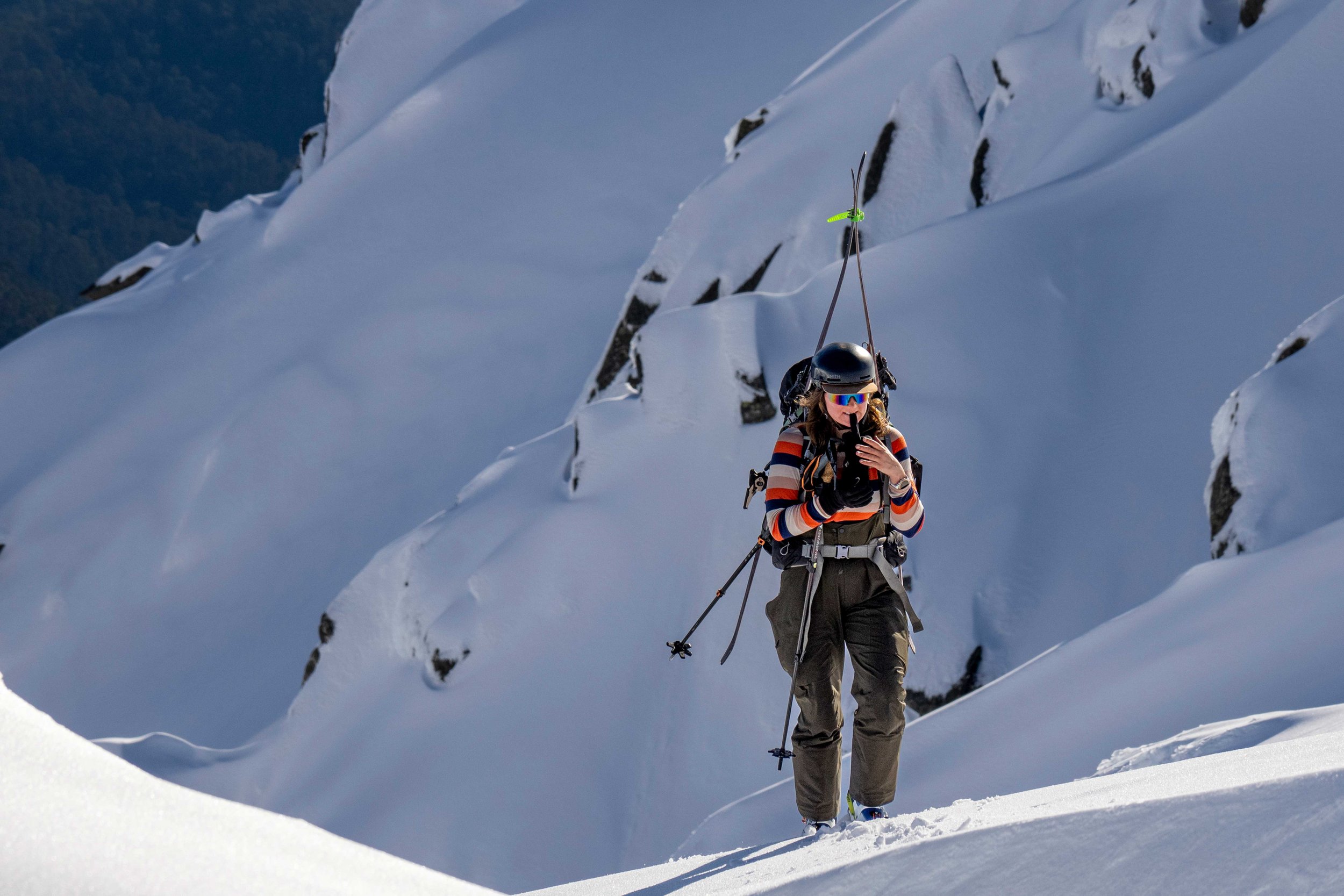
Running from Guthega, the Ski Mountaineering Skills clinic teaches the techniques that apply on steeper and more committing terrain: crampon and ice axe use alongside ski and splitboard carry, steep skinning and transitions, slope stability assessment, and efficient movement across ascents, descents and traverses.
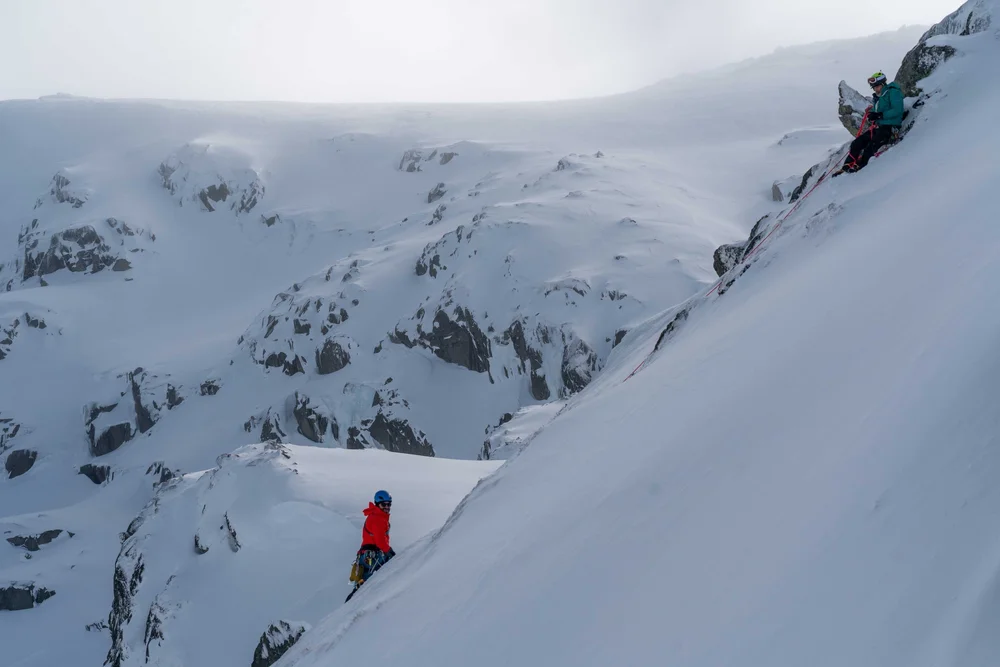
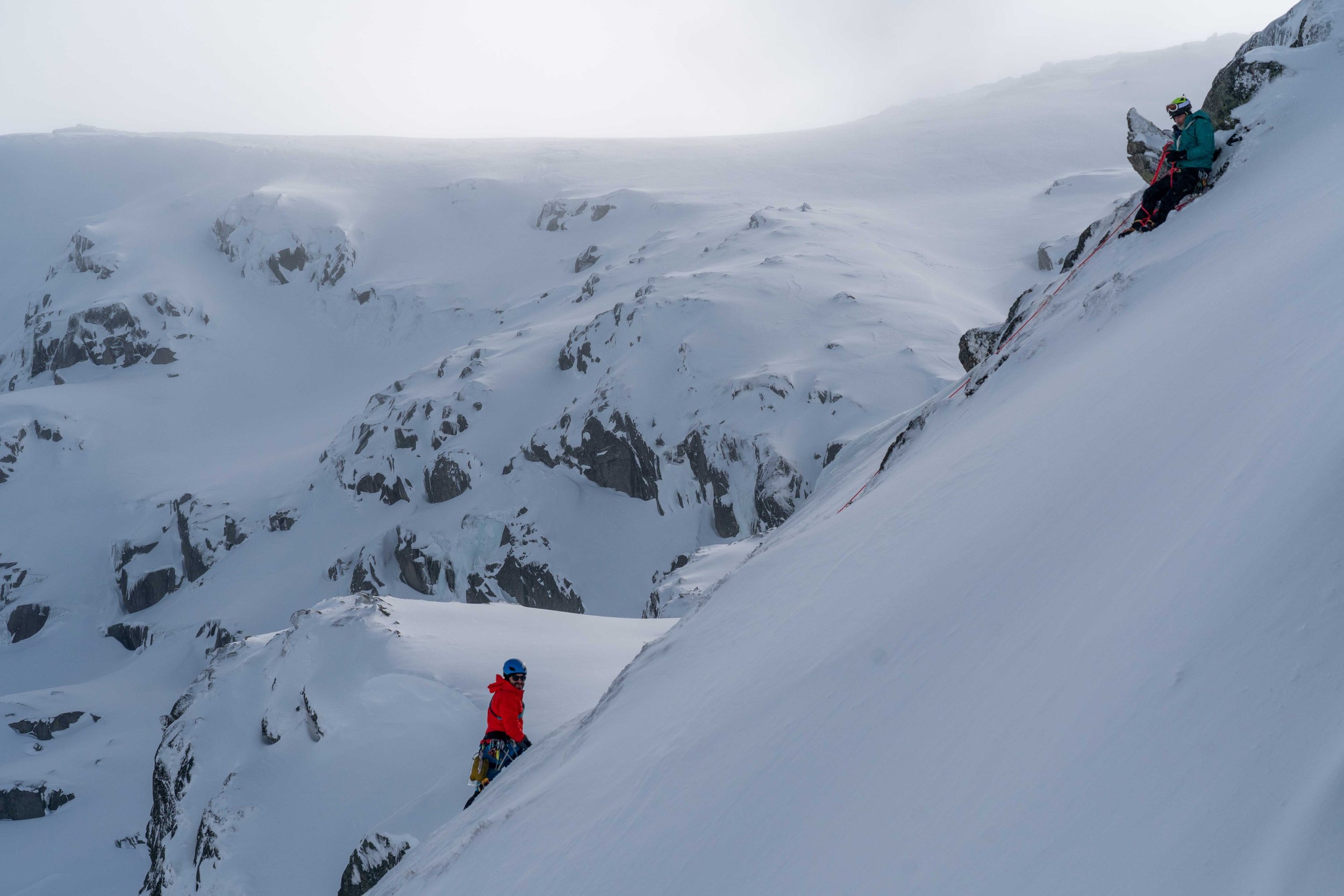
The clinic can be tailored to focus on steep Australian terrain or structured as preparation for more glaciated environments like New Zealand or Canada, including roped ski techniques, crevasse rescue, snow anchors, and rappelling.
Prior backcountry experience is required, along with advanced skiing or boarding ability.
Per person prices vary based on group size — use the calendar to explore pricing options. If you'd like to join a group tour but can't find a suitable date, tap the chat icon to send us a message with your preferred date. Booking terms & conditions →
What you'll cover
What's included
- Qualified backcountry guide
- All first aid and emergency gear
- Avalanche safety equipment (if required)
- Lift passes — not required for this clinic
Is this clinic right for you?
Book your spot
Secure booking via Explore Origin.
Questions? Send an enquiry →





Backcountry FAQs
What is Backcountry Skiing and Split Boarding?
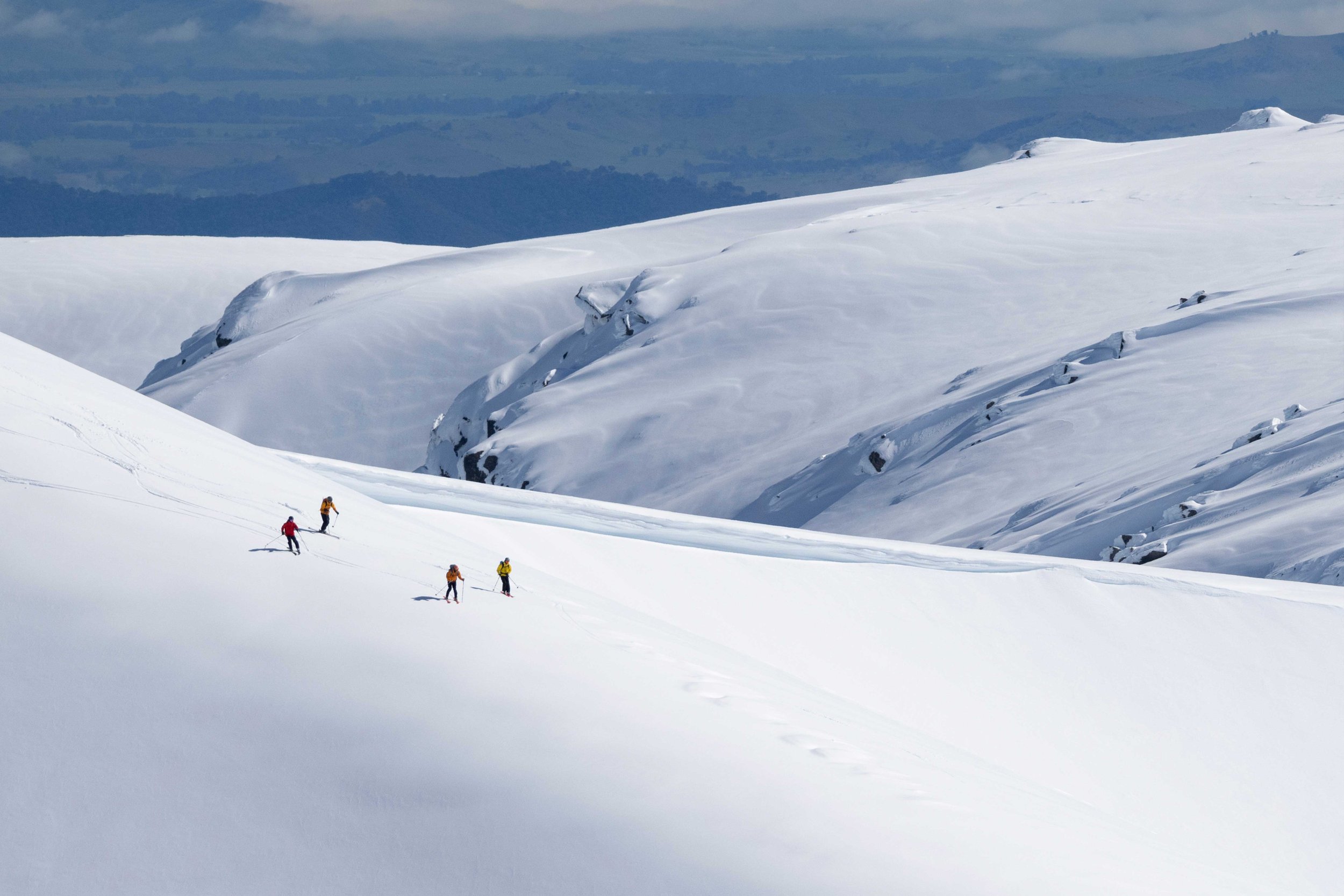
Backcountry Skiing, or Alpine Touring (AT), is Skiing in unmarked, often remote areas outside traditional ski resort boundaries. It typically involves hiking or skinning uphill before skiing down. Split boarding is the equivalent activity for snowboarders. Snowboarders will use a snowboard that splits into two down the long centre axis, allowing them to walk uphill; they will then put the board back together and snowboard down.
What equipment do I need for Splitboarding?
Essential equipment for backcountry Splitboarding includes a splitboard with the appropriate hardware (Pucks), Splitboard skins, Stiff Snowboard boots, Splitboard Bindings, z-fold poles, and appropriate clothing layers. Additional safety gear can be a great
Is backcountry skiing/Splitboarding dangerous?
Backcountry skiing can be dangerous due to risks such as whiteouts, Icy surfaces, avalanches, variable snow conditions, and the sport's remote nature. Proper training, preparation, and awareness are essential to mitigate these risks. Getting a guide is a common way for people to learn how to mitigate these risks and to feel safe and secure in the backcountry.
What level of skier/boarder must I be to join a K7 Adventures Backcountry Tour?
K7 Adventures requires participants to be strong intermediate to advanced skiers or snowboarders who can maintain control and link turn on ungroomed surfaces. Backcountry snow is not ‘groomed’, so experience with off-piste (ungroomed trails) skiing or snowboarding is essential. It is crucial to honestly assess your skill level when joining a backcountry skiing or snowboarding group. If you want to discuss your ability level with a K7 guide, please complete the form below or call us on 0488 592 900.
What equipment do I need for backcountry skiing?
Essential equipment for backcountry skiing includes skis with touring bindings, climbing skins, ski boots compatible with touring bindings, poles, and appropriate clothing layers. Safety gear such as boot crampons, ski crampons, avalanche transceivers, shovels, and probes are optional in Australia, depending on conditions and tour location. Your K7 Adventures guide will assist you when to bring with these optional extras.
How do I start backcountry skiing or split-boarding?
To start backcountry skiing, it's recommended that you take an introductory course to learn essential skills such as backcountry safety, navigation, and proper equipment use. Joining a K7 tour or going with experienced friends can also be helpful.
How difficult are K7 Adventures Backcountry tours?
Our tours range from basic introductory levels to advanced and strenuous. Your fitness level will be the best indicator of which tour suits you.
Our Introduction to Backcountry course is recommended for those new to the backcountry. It will familiarize you with the fundamental skills and equipment needed for safe travel. The Summit and Ski Mt. Kosciuszko Tour can also be tailored as an introduction and is perfect for those wanting to summit Mt. Kosciuszko in winter.
The Main Range Explorer Course and the Blue Lake Circuit are ideal for those looking to learn more advanced backcountry skills while travelling further and skiing more. These tours require a good fitness level and some familiarity with backcountry equipment.c
Our Introduction to Ski Mountaineering Courses and the Western Faces Tour are more challenging, requiring higher fitness levels and experience. These tours involve longer days with significant elevation gains, so familiarity with your equipment is necessary to cover the ground needed.
Do I need special boots for backcountry skiing/ Splitboarding?
Backcountry skiing is more enjoyable when specific boots are designed for touring. These boots are typically lighter and have a walk mode, allowing for greater ankle flexibility during ascents. You can go backcountry touring using regular ski boots and frame touring bindings. Yet, it is not recommended as the boot is typically heavier and stiffer, resulting in fatigue and sore shins.
Splitboarders should aim to rent or buy stiff snowboard boots.
Unsure which route to take?
Speak with a guide directly to begin your backcountry adventure.