
Snowshoeing · Level 2
Winter Ascent of South Ramshead
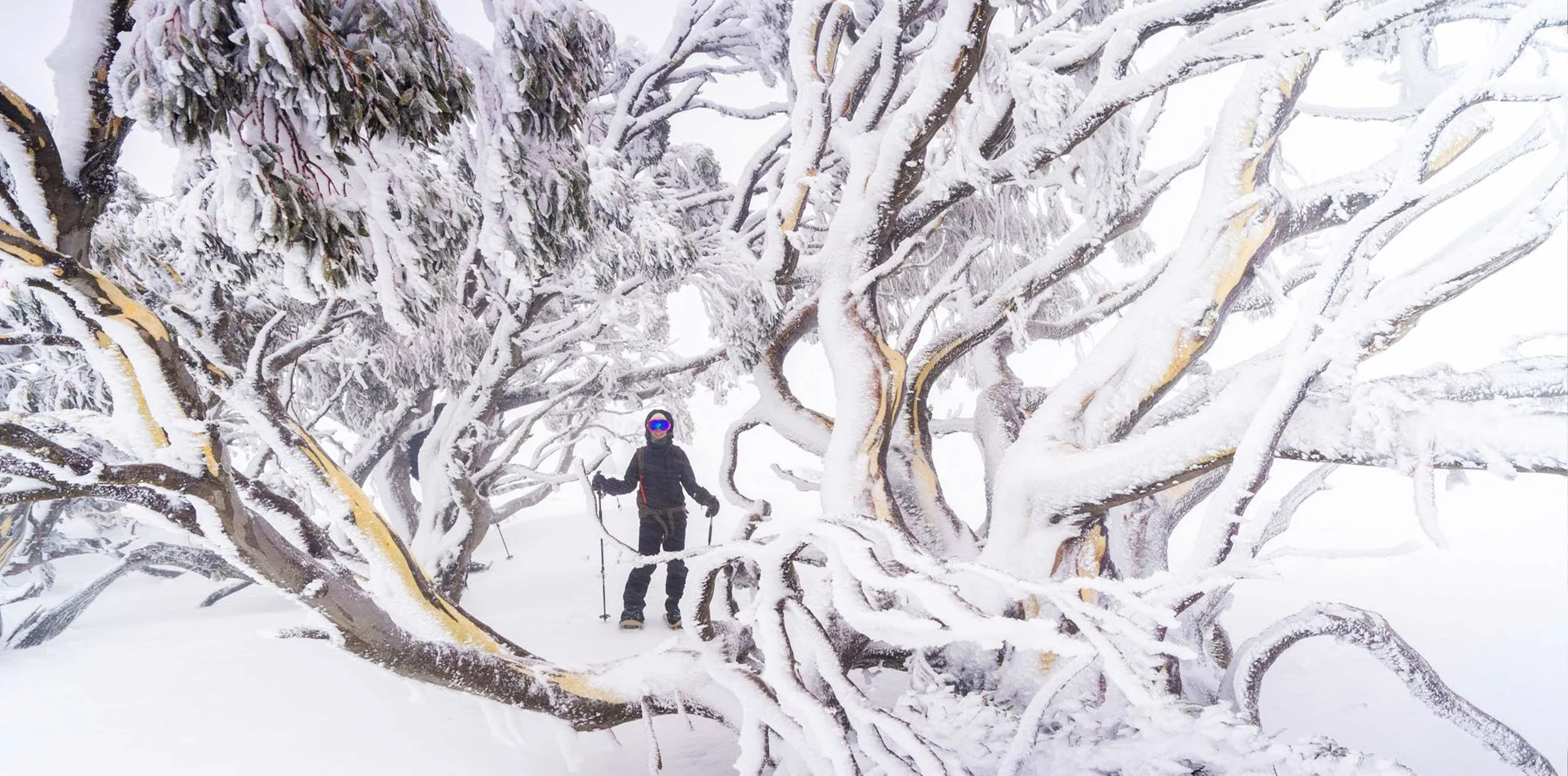
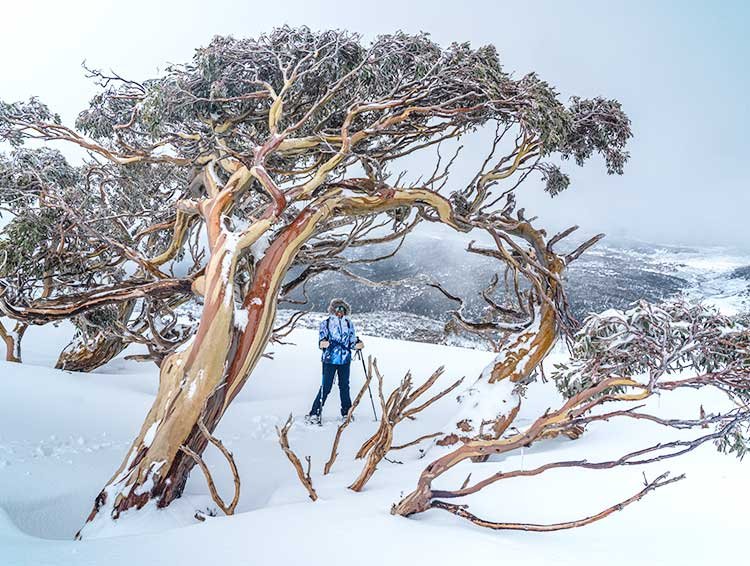
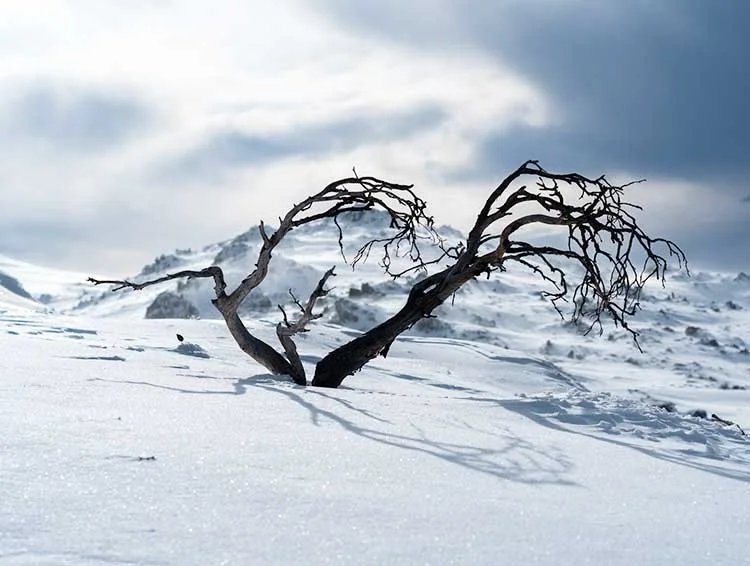
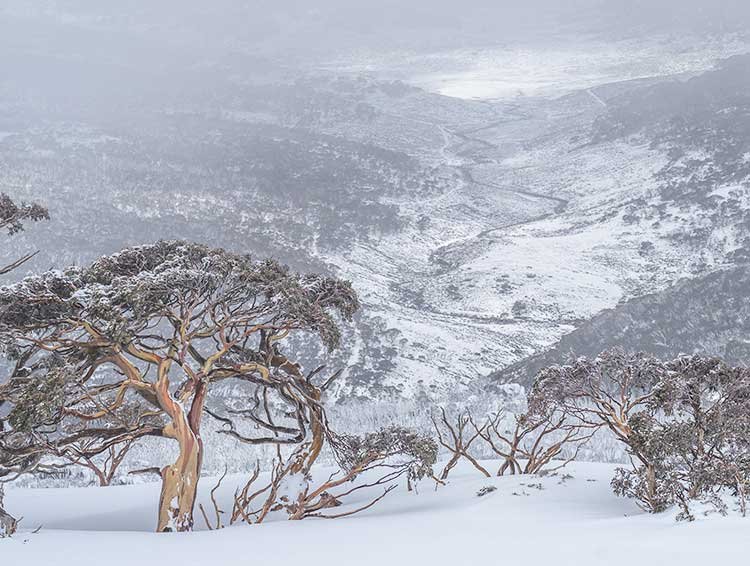
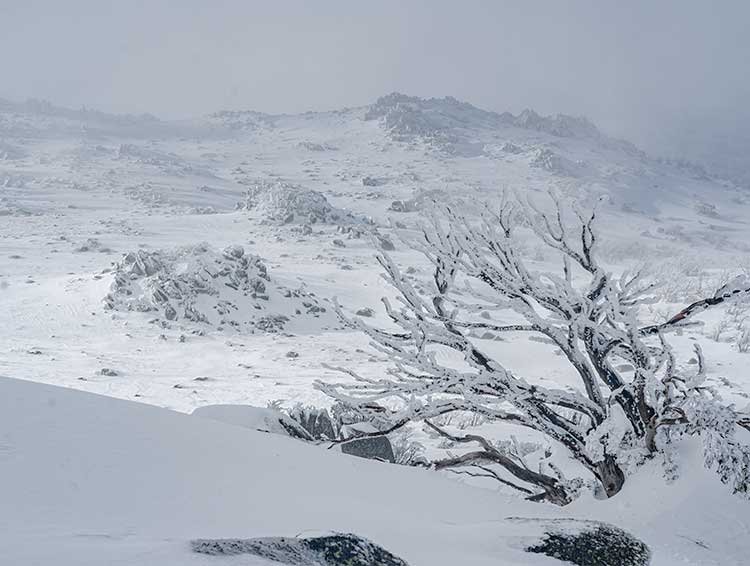
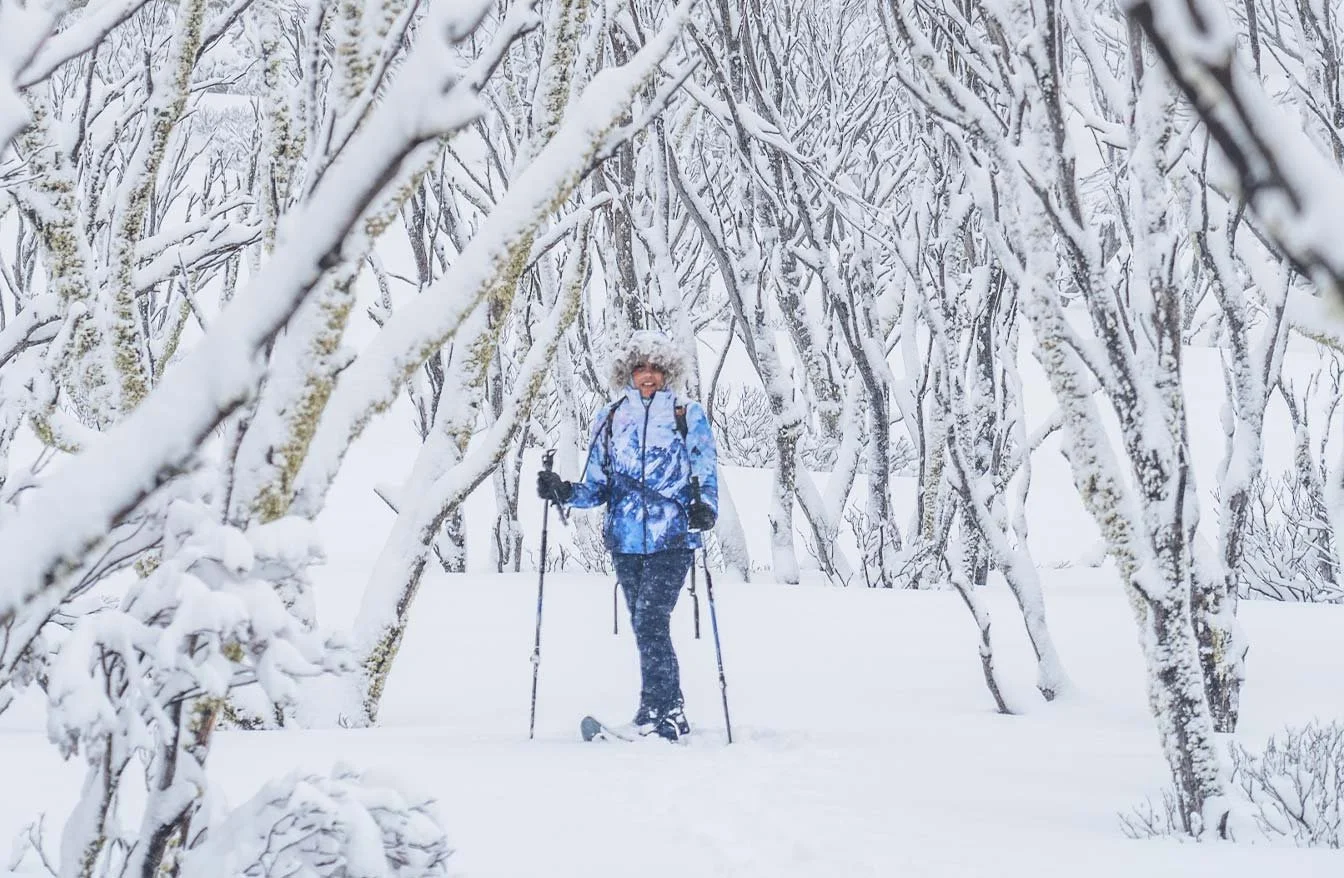
The snow gum forest below Dead Horse Gap is one of the quieter corners of the Kosciuszko alpine area. This tour takes you through it, all the way to the top.
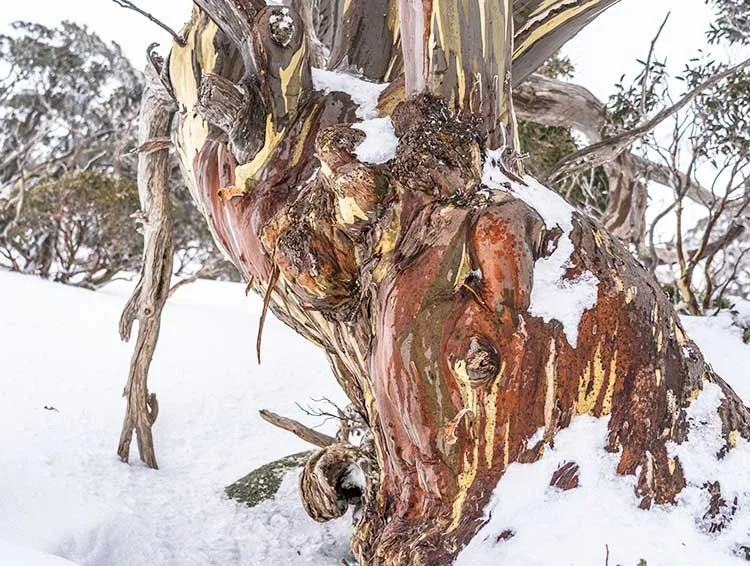
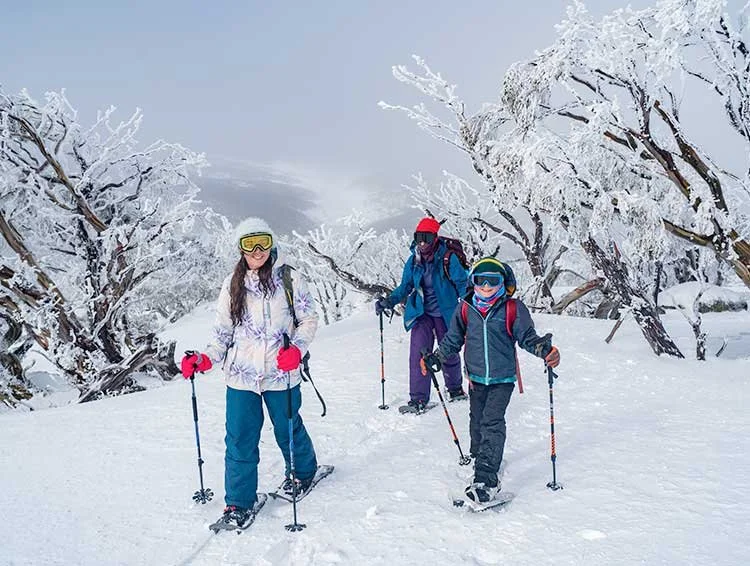
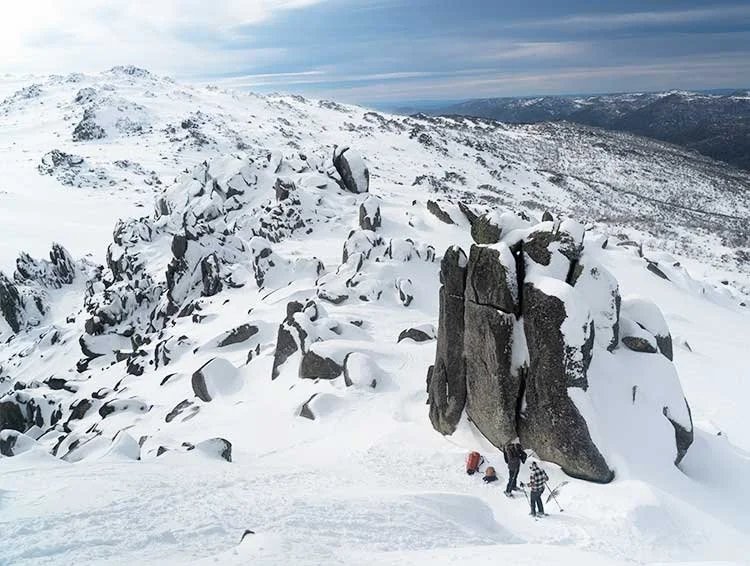
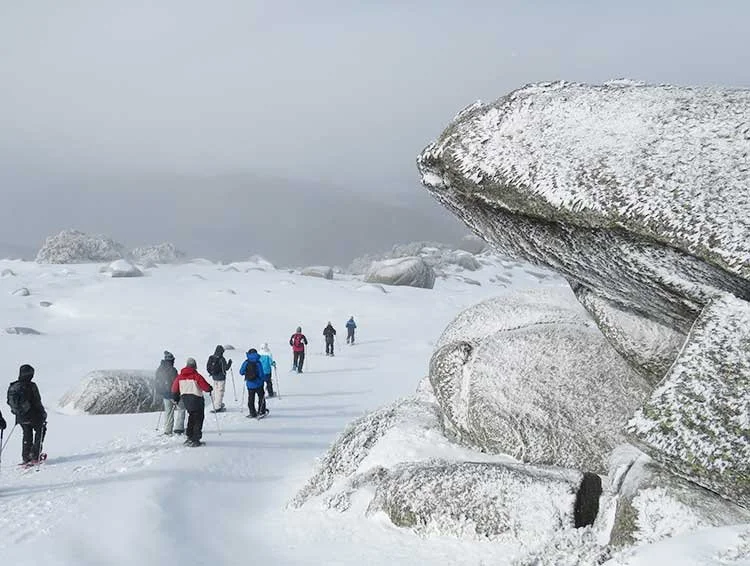
Meeting at Dead Horse Gap Carpark, just five minutes from Thredbo, the route climbs through increasingly twisted and stunted snow gum forest as you gain elevation. The trees thin out near the summit, giving way to open rock and ice terrain and sweeping views across the Main Range. Lunch at the top, then a descent via a different route for varied perspectives on the way down.
This tour covers less distance than the Mt Kosciuszko tour but gains significant elevation. Good fitness is recommended. Snowshoes and poles included.
Per person prices vary based on group size, use the calendar to explore pricing options. If you'd like to join a group tour but can't find a suitable date, tap the chat icon to send us a message with your preferred date. Booking terms & conditions →
Tour highlights
What's included
- Qualified snowshoe guide
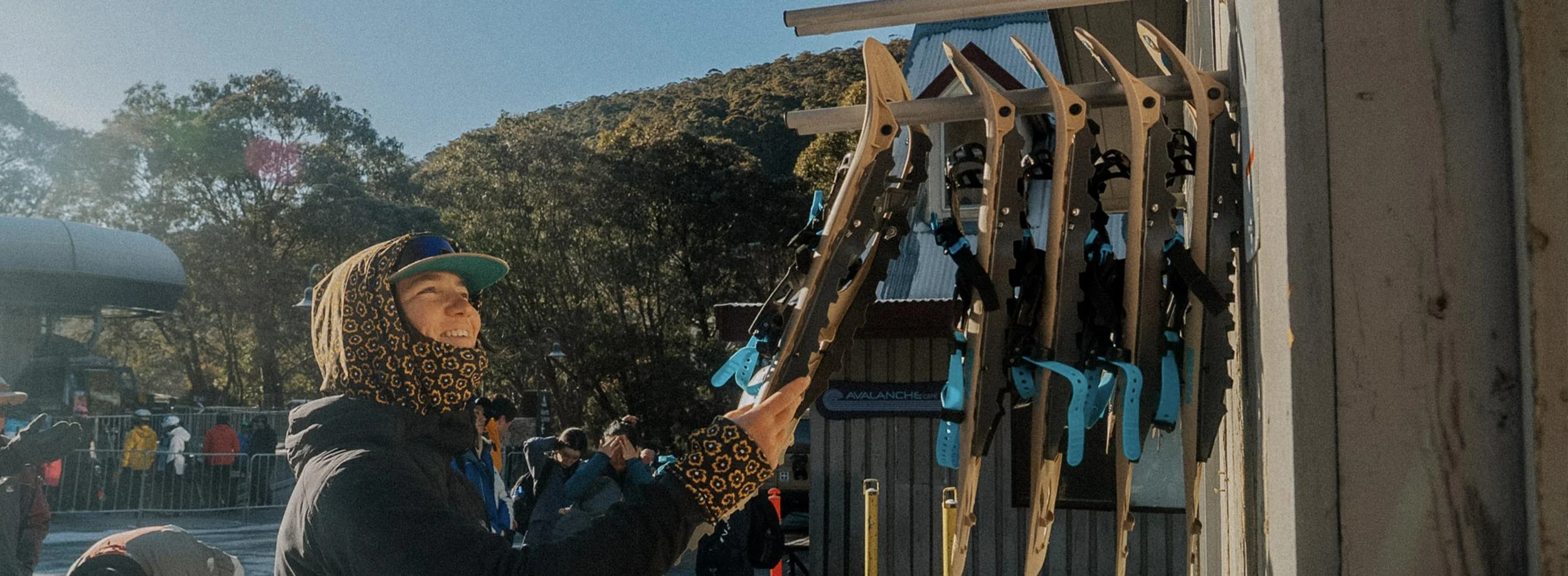
- Snowshoes and poles
- All first aid and emergency gear
- No lift pass required
Is this tour right for you?
Book your spot
Secure booking via Explore Origin.
Questions? Send an enquiry →
Snowshoeing FAQs
Do I need to rent Snowshoes for a Snowshoe tour with K7?
Snowshoes and adjustable poles are included in the K7 Adventures Snowshoe Tours.
Why do you need Snowshoes in Winter?
Snowshoeing is generally easier than hiking in the snow because snowshoes distribute your weight over a larger surface area, preventing you from sinking or “post-holing”. The spikes on the base of the snowshoes will also prevent you from slipping on icy surfaces. Snowshoeing is a fantastic and accessible way to explore the beauty of the Kosciuszko National Park Alpine Area.
What months of the year do I need snowshoes for Mt Kosciuszko?
You will typically need snowshoes for Mt Kosciuszko during the winter months, from June to September. Snow conditions can vary, but these months generally offer the best snow coverage for snowshoeing in the Snowy Mountains. In early and late Winter (June and October) it is not uncommon to use a mixture of hiking and snowshoeing on our alpine tours like the Snowshoeing Summit of Mt Kosciuszko.
Is snowshoeing easier than hiking?
Snowshoeing can be slightly more physically demanding than summer hiking due to the uneven nature of the snow, the need to carry more clothing and heavier boots, and the weight of snowshoes. While summer hiking allows for lighter gear and the ease of hiking trails, snowshoeing offers a unique challenge and an opportunity to travel off the beaten track and choose your own adventure.
What type of snow is best for snowshoeing?
Fresh, compact snow is the best type for snowshoeing in the Snowy Mountains. Powder snow can be more challenging as it requires more effort to move through, yet it feels so fluffy and fresh that it’s usually worth the extra effort, especially when walking downhill. Icy or crusty snow can be easy to walk on yet makes quite a loud crunch with every footstep. Ideal snow conditions for snowshoeing are often found in the months of July- September at Kosciuszko National Park.
Do you need poles for snowshoeing?
Using poles for snowshoeing is highly recommended. Snowshoeing poles provide additional balance and stability, especially on uneven or steep terrain. They help distribute your weight and reduce strain on your legs and knees. Adjustable poles are particularly useful, allowing you to adapt to varying snow depths and inclines during your snowshoeing adventure in Kosciuszko National Park. K7 Adventures provides poles and snowshoes, as well as all snowshoeing tours.
What footwear do I need for Snowshoeing?
Waterproof hiking boots with a high ankle are ideal for snowshoeing. Mountaineering boots also work great if you own them. Hiking shoes with a low-cut ankle can also be used depending on the weather and snow conditions. Hiking gators are recommended, especially if you have a low-ankle hiking shoe but by no means essential. Proper snowshoe bindings are designed to accommodate a variety of boot styles, ensuring a secure and comfortable fit.
Appropriate footwear is crucial for a safe and comfortable snowshoeing experience in Kosciuszko National Park. If you are unsure about your footwear or don’t own the appropriate footwear, don’t worry! K7 Adventures has a collection of NEOS overboots that can slip over any hiking shoe/ boot or trainer, turning them into waterproof boots suitable for snowshoeing. If you need to use a pair of these, contact your adventure guide after booking your tour.

Unsure which route to take?
Speak with a guide directly to begin your backcountry adventure.